First, how blood sugar works
When you eat carbohydrates, they break down into glucose that enters your blood. Your pancreas releases insulin, which lets glucose move into muscle, fat and liver cells for energy (MedlinePlus). In insulin resistance, cells respond poorly, so the pancreas works harder and blood sugar can drift up (NIDDK).
Step 1: Absorb
Gymnema and bitter melon are classic botanicals for the after-meal rise. Gymnema was linked to lower after-meal glucose in a meta-analysis and also blunts sweet taste (PubMed). Bitter melon lowered elevated glucose in another (PubMed).
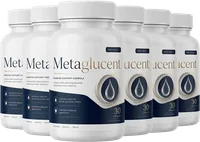
Today’s best MetaGlucent deal: 6 bottles at $49 each (you save $780) or 3 bottles at $69 each, both with free US shipping. Every package is covered by a 60-day money-back guarantee.
See the Discount ›Step 2: Respond
Berberine and chromium focus on insulin response. NCCIH reports research showing berberine may reduce insulin resistance and that chromium may help insulin resistance and fasting glucose (NCCIH). NIH notes chromium can interact with insulin and other diabetes medicines, a sign of how closely it is tied to glucose control (NIH ODS).
Step 3: Balance
Cinnamon and banaba support overall glucose metabolism (NCCIH; PubMed). The goal is fewer spikes and crashes and steadier energy. See energy crash after eating.
A day in the life of your blood sugar
Morning: hormones nudge glucose up before you wake. Breakfast: a rise, then insulin brings it down. Lunch: another rise, and if the meal is heavy in refined carbs, a bigger spike and a mid-afternoon dip. Evening: cravings often follow a long, busy day. MetaGlucent is taken once a day so its ingredients are part of that whole cycle, while your food choices and a walk after meals shape each individual rise. See energy crash after eating and high morning blood sugar.
What you add
Supplements work best on a good foundation: fiber-rich meals, 150 minutes of activity a week and 7+ hours of sleep (CDC; CDC). See lower blood sugar naturally. For a visual explainer, see how MetaGlucent works on our sister site.
Start your MetaGlucent routine.
FAQ
Does MetaGlucent make insulin?
No. It supports how your body uses insulin and glucose; it does not contain or replace insulin.
Why take it with a meal?
Food helps reduce stomach upset, and meals are when glucose rises.
Does it work for weight?
It is made for blood sugar support. Healthier blood sugar and fewer cravings can make weight goals easier.
Sources
- MedlinePlus: Blood glucose
- NIDDK: Insulin resistance and prediabetes
- PubMed: Devangan S. Gymnema sylvestre and glycemic control, systematic review and meta-analysis. Phytother Res 2021
- PubMed: Peter EL. Momordica charantia lowers elevated glycaemia in type 2 diabetes, systematic review and meta-analysis. J Ethnopharmacol 2019
- NCCIH: Diabetes and dietary supplements
- NIH ODS: Chromium fact sheet for consumers
- NCCIH: Cinnamon
- PubMed: Stohs SJ. Review of the efficacy and safety of banaba (Lagerstroemia speciosa) and corosolic acid. Phytother Res 2012
- CDC: Adult physical activity guidelines
- CDC: About sleep
General information, not medical advice. Prices and terms come from the official MetaGlucent order and return pages, checked October 30, 2026; the checkout page and the label on your bottle take priority. Read our disclaimer.