What metformin is
Metformin is a prescription medicine used with diet and exercise to control blood sugar in type 2 diabetes. It works mainly by reducing the amount of glucose the liver releases and helping the body respond to insulin (MedlinePlus). It is prescribed, dosed and monitored by a doctor.
What MetaGlucent is
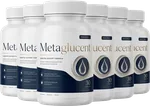
MetaGlucent is a once-daily capsule dietary supplement made to support healthy blood glucose levels and insulin sensitivity, with berberine, chromium, gymnema, cinnamon, bitter melon and banaba. It is not a drug and is not intended to treat diabetes. See what is MetaGlucent?
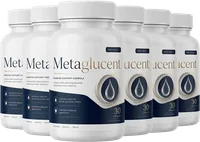
Today’s best MetaGlucent deal: 6 bottles at $49 each (you save $780) or 3 bottles at $69 each, both with free US shipping. Every package is covered by a 60-day money-back guarantee.
See the Discount ›The differences that matter
| Metformin | MetaGlucent | |
|---|---|---|
| Type | Prescription drug | Dietary supplement |
| Purpose | Treat type 2 diabetes | Support healthy glucose levels |
| Who decides | Your doctor | You, ideally with your doctor |
| Monitoring | Lab tests, follow-up | None required |
Can you take both?
Only if your doctor agrees. NCCIH warns that berberine may interact with some medicines and that people taking medicines should talk with their health care providers first (NCCIH). Adding glucose-supporting ingredients to diabetes medicine could push blood sugar too low; know the signs of hypoglycemia (MedlinePlus). See MetaGlucent with medications.
A healthy way to think about both
Think of medicine, habits and supplements as three different tools. Medicine is prescribed when blood sugar needs treatment. Habits (food, movement, sleep, weight) are the foundation for everyone. Supplements like MetaGlucent can support healthy levels for people whose doctor agrees they fit the plan. Problems start when one tool is used to replace another. Keep your doctor in the loop, keep taking what is prescribed, and use MetaGlucent only as an addition your doctor approves. See high morning blood sugar and A1C explained.
Who MetaGlucent is really for
MetaGlucent is aimed at adults whose blood sugar is still in the normal or borderline range and who want daily support alongside better habits, not at replacing treatment. If you have prediabetes, the CDC lifestyle program is proven to help (CDC). See prediabetes diet plan.
If that is you, see the MetaGlucent packages.
FAQ
Is MetaGlucent a natural metformin?
No. It is a supplement with different ingredients and a different purpose. It is not a substitute for any medicine.
Can I stop metformin if I take MetaGlucent?
No. Never stop or change a prescription without your doctor.
Does berberine work like metformin?
Researchers have studied berberine for glucose metabolism, but it is not an approved diabetes drug (NCCIH).
Sources
- MedlinePlus: Metformin drug information
- NCCIH: Diabetes and dietary supplements
- MedlinePlus: Low blood sugar (hypoglycemia)
- CDC: Prediabetes, your chance to prevent type 2 diabetes
General information, not medical advice. Prices and terms come from the official MetaGlucent order and return pages, checked October 30, 2026; the checkout page and the label on your bottle take priority. Read our disclaimer.